Chicago Cubs Games
Updated · BootsnAll
 Unless you grew up a White Sox fan, a Cubs game at Wrigley Field is the one sporting event to fit into a Chicago trip. Even people who don't care about baseball tend to enjoy it, because the ballpark is the show. Here's how to get tickets, get there and get in without any surprises. For more on the ballpark itself, see our page on the Chicago Cubs, and for pregame and postgame plans, our guide to where to eat and drink near Wrigley Field.
Wrigley Field in brief
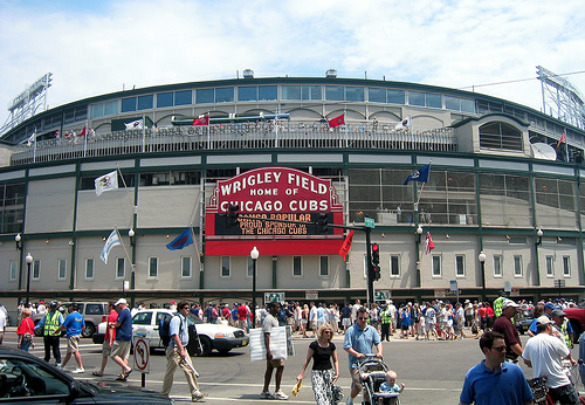
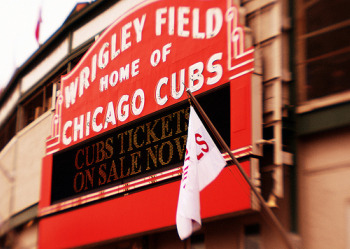
Wrigley Field opened on April 23, 1914, at 1060 W. Addison St. It's the oldest park in the National League and the second-oldest in the majors, after Boston's Fenway Park. It holds 41,649, so a sellout feels big but not overwhelming. The ivy on the outfield brick, the hand-turned scoreboard and the red marquee over the main gate are all still there. Wrigley was the last big-league park to add lights, in 1988, and day baseball is still what the Cubs are known for.
Between 2014 and 2019 the team's owners, the Ricketts family, spent $575 million on a renovation they called the 1060 Project. It added video boards and turned the parking lots on the west side of the park into a plaza. The ballpark became a National Historic Landmark in 2020.
Buying tickets
Buy through the Cubs' official ticket page. Tickets at Wrigley are mobile only, delivered through the MLB Ballpark app, so there's no paper ticket to print. Download the app before you leave home and check that your tickets show up in it. The Cubs suggest logging out of all MLB apps and back in before game day to avoid problems at the gate, and if your tickets still don't appear, email fanservices@cubs.com.
Weekend games and big rivals like the Cardinals and White Sox tend to sell fastest and cost the most. Weeknight games early and late in the season are the cheapest way in, but April in Chicago can be cold, so pack a hat. If you're buying resale, stick to a site that transfers tickets into the MLB Ballpark app.
Getting there
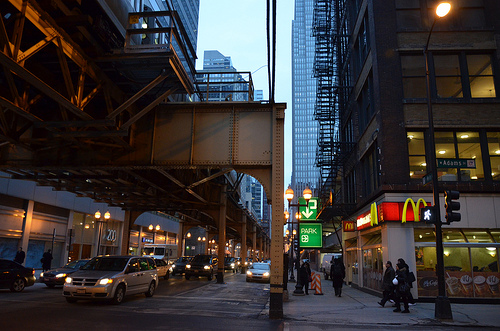
Take the train. Wrigley sits in a dense neighborhood with little parking, and the Cubs themselves push fans toward public transit. The Red Line's Addison station is right next to the ballpark. After the game the platform gets packed, so a lot of fans walk up to the next stop north, Sheridan, and get on there. If you do drive, reserve a spot ahead of time through SpotHero, which the Cubs partner with. The Cubs' transportation page has bus, Metra and rideshare details.
Getting in
Gates usually open 90 minutes before first pitch, and two hours before on Saturdays. Wrigley's bag policy is strict. Backpacks aren't allowed, clear ones included, and neither are hard-sided coolers or any bag bigger than 16 by 16 by 8 inches. Smaller purses, fanny packs and soft coolers are fine, and everything gets checked. The Cubs don't store luggage, so if you're heading to the game on the way to the airport, drop your bags somewhere else first. The ballpark is cashless, so bring a card or a phone that can pay.
Gallagher Way
Gallagher Way is the plaza between Clark Street and the ballpark, where parking lots used to be. On game days it usually opens to ticket holders an hour before first pitch and stays open through the game and an hour after. By city ordinance, only people with a ticket for that day's game can get in during those hours. A big video board shows the game, and you can step out of the park and into the plaza during the game.
On other days it's free and open to anyone, from 7am to 9pm Sunday through Thursday and until 10pm on Fridays and Saturdays. There are free movie nights, fitness classes and concerts, and in winter it becomes an ice rink with a holiday market. Hotels near Wrigley Field, including Hotel Zachary right next to the plaza, are worth a look if you want to walk to the game.
Rooftop seats
The buildings across Waveland and Sheffield avenues have bleachers on their roofs, and watching from one is a Chicago tradition of its own. The Cubs send fans to Wrigley Rooftops for tickets, which are sold as all-inclusive packages with food and drink. You're farther from the field than in the bleachers, but it's a better setup for a group that wants to talk as much as watch. The team has been buying up the rooftops, too. By the end of 2016 the Ricketts family owned ten of them.
Wrigley Field tours
If you can't make a game, or want to see the parts you can't reach on game day, book a Wrigley Field tour. Public tours run 75 to 90 minutes and start at the Gallagher Way gate on the west side of the park. On days without a game, you'll see the dugout, the visiting clubhouse, the press box, the bleachers and the ivy, and you'll get onto the field. Game-day tours skip the clubhouse, dugout and press box and go up to the upper deck instead. They go ahead rain or shine, so dress for the weather. The Cubs list current prices when you book.
Photo by Express Monorail