4th of July in Chicago
· Updated · BootsnAll
 Chicago is a good place to spend the Fourth of July. In one long weekend you can see fireworks over the lake, lie on a beach with the skyline behind you, catch a ballgame at Wrigley and fit in a couple of museums when the heat gets to be too much. Most of the big attractions stay open on the holiday, though some close or run shorter hours, so check before you lock in plans.
One thing has changed since we first wrote this page. Taste of Chicago used to be the Fourth of July festival, running for days in Grant Park over the holiday. It isn't anymore. More on that below.
Fireworks
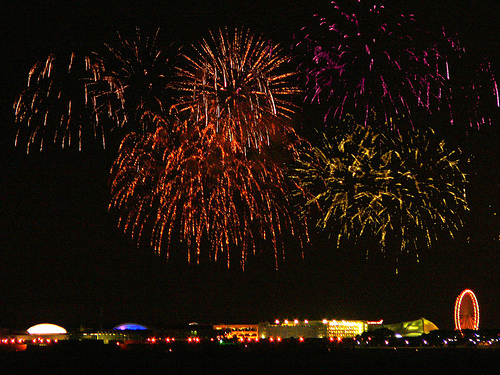
In recent years the city's main Independence Day fireworks show has been at Navy Pier, and it's free. Choose Chicago calls it the city's Independence Day display. You can watch from the pier or anywhere along the nearby lakefront, and plenty of boat cruises head out for a view from the water. It's one of the most crowded nights of the year downtown, so take the train or the bus. Navy Pier also runs free summer fireworks from late May through Labor Day weekend, recently on Wednesdays at 9pm and Saturdays at 10pm, which is handy if you're in town for the week but miss the Fourth. Check the pier's page for the holiday show time, which changes from year to year.
Plenty of neighborhoods and suburbs put on their own shows, some on the Fourth and some the weekend around it. Local TV stations publish a full list every summer, like NBC Chicago's 2026 roundup.
Parades and concerts
4th on 53rd in Hyde Park, which Choose Chicago calls the city's largest Fourth of July parade, has been a neighborhood tradition for more than 30 years. It steps off at 11am on July 4 with marching bands, floats, community groups and kids on decorated bikes, followed by a free festival from noon to 3pm.
Downtown, the free Grant Park Music Festival plays an annual Independence Day Salute, according to Choose Chicago, at the Pritzker Pavilion in Millennium Park. Bring a blanket for the lawn and get there early.
Taste of Chicago
Taste of Chicago started on July 4, 1980, on Michigan Avenue, and for years it ran in Grant Park over the Fourth of July. It's now a five-day festival on Columbus Drive between Balbo and Monroe, and its dates have moved around since the pandemic. In 2026 it ran the week after the holiday. Entry is free, and you pay for food and drinks from Chicago restaurants, with live music on several stages. Check the city's page before you plan your trip around it.
Getting here
Chicago is a major airline hub, so it's usually cheaper and easier to fly into than its Midwest neighbors. United and American fly into O'Hare, and Southwest dominates Midway, where Frontier, Delta, Allegiant and Volaris also fly. AirTran, which we used to list, was folded into Southwest in 2014. Both airports have an L train straight into the Loop. See flights to Chicago and our airports guide.
If you're coming from elsewhere in the Midwest, Amtrak and the bus are often cheaper than flying. Every Amtrak train ends at Union Station, and FlixBus is usually the cheapest bus seat into town. Megabus, which we used to recommend, now mostly sells seats on partner lines. Our getting to Chicago page has the details.
Holiday traffic is the thing to plan around. Most people fly or drive in the day before the long weekend and leave on the last day. If you can arrive a day early or leave a day late, you'll usually find cheaper fares and emptier highways.
What to pack
July is Chicago's hottest month, with an average high of 84.5°F and a low of 66.4°F by the National Weather Service's 1991-2020 normals, and humid heat waves push it well past that. But this is Chicago, and a cool, rainy day is always possible, especially near the lake. Pack for heat, add a light layer for the evening fireworks, and bring an umbrella. Summer storms tend to come in the late afternoon.
>> Chicago weather
>> what to wear in Chicago in summer
Where to stay
Most visitors stay in the Loop, River North or on or near the Magnificent Mile (Michigan Avenue between the river and Oak Street). These areas are close to the lakefront, the fireworks and the L. Book early for the holiday weekend, since rates climb as rooms fill. Staying near O'Hare only makes sense if you have a very early flight or business out there. The Blue Line takes about 40 minutes to the Loop, and downtown parking is expensive and hard to find.
>> hotels near the Magnificent Mile
>> hotels in the Loop
>> where to stay in Chicago
Where to eat and drink
Chicago eats well, from deep dish and Chicago-style hot dogs to some of the best tasting menus in the country. July is patio season, so eat outside while you can.
>> Michelin-starred restaurants in Chicago
>> the best outdoor dining spots
>> Chicago rooftop bars
>> best restaurants for international cuisine
>> best brunch spots in Chicago
>> unique bars in Chicago
>> nightlife in Chicago
What else to do
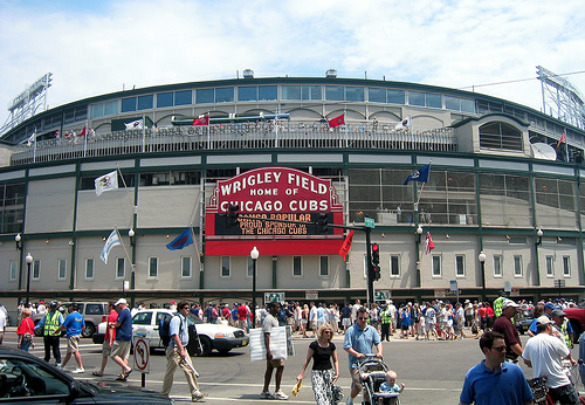
A July trip is about being outside. Take an architecture cruise on the river, ride or run the Lakefront Trail, spend an afternoon at the beach (lifeguards are on duty from 11am to 7pm, and a red flag means no swimming), or catch the Cubs at Wrigley Field if they're home that weekend. July is also the heart of street festival season.
If it gets too hot or starts to storm, go inside. The Art Institute, the Field Museum and the Shedd Aquarium are all air-conditioned and big enough to fill an afternoon. For a drink with a view, the old Signature Lounge at the top of the Hancock closed in 2023, but CloudBar inside the 360 Chicago observation deck, two floors down, is open with a deck ticket.
>> things to do in Chicago in July
>> Chicago's museums
>> shopping in Chicago
>> sightseeing tours in Chicago
>> attractions in Chicago
Getting out of the city
If Chicago is part of a bigger Midwest trip, Milwaukee, Madison, Indianapolis, Detroit and St. Louis are all a few hours away by car, train or bus, and the Lake Michigan beaches in Indiana and Michigan are closer than that.
>> side trips from Chicago
>> things to do in Milwaukee
Photo by Paul Morgan